

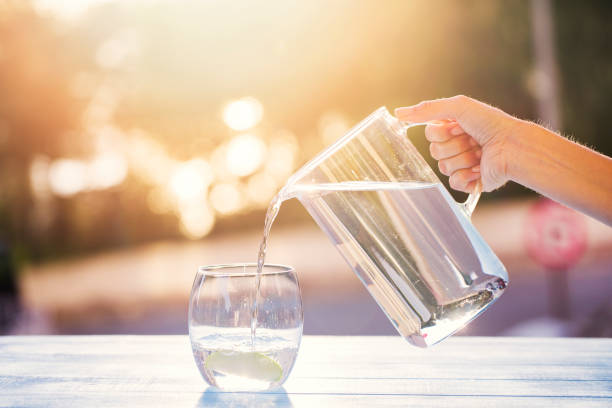
Water is the essence of life itself, constituting about 60% of the human body. Every cell, tissue, and organ depends on it to function properly.
From regulating body temperature to aiding digestion and nutrient absorption, water plays a myriad of critical roles in maintaining optimal health.

But how much water do you really need? The age-old adage of eight glasses a day is a good starting point, but individual requirements vary based on factors like age, gender, weight, climate, and activity level.
A general guideline recommended by health authorities is to aim for about 2-3 liters (8-12 cups) of water per day for adults.
READ ALSO:Engaging In Physical Activities For Better Cardiovascular Health
However, this can fluctuate. For instance, if you’re physically active, live in a hot climate, or are pregnant or breastfeeding, you may need more.
Listening to your body is key. Thirst is a clear signal that your body needs hydration, but it’s not the only indicator. Urine color can also provide valuable insights into your hydration status; ideally, it should be light yellow.

Dehydration, even in mild forms, can lead to a cascade of adverse effects ranging from fatigue and headaches to impaired cognitive function and mood disturbances.
Chronic dehydration can have more serious consequences, impacting kidney function, joint health, and overall well-being.

But it’s not just about drinking water; hydration also comes from the foods we eat. Fruits, vegetables, soups, and even coffee and tea contribute to our daily water intake.
So, make hydration a priority in your daily routine. Keep a water bottle handy, sip regularly throughout the day, and pay attention to your body’s signals. Remember, staying adequately hydrated isn’t just a choice; it’s a necessity for vibrant health and vitality.
READ MORE ARTICLES FROM HARRY’S STORES:
Creating a Personal Preventive Health Plan
Proactive Strategies for Reducing the Risk of Chronic Diseases Early
Significance Of Preventive Health Screening Is For Lowered Risk of Complications


