

The liver is a critical organ that performs a variety of functions, including detoxification, protein synthesis, and the creation of biochemicals required for digesting.
When the liver is weakened, it can cause a variety of health problems.
Understanding the signs and symptoms of liver dysfunction, as well as how to promote liver health through food, might be critical for overall health.
Symptoms of Liver Compromise
1. Jaundice:
A yellowing of the skin and eyes produced by an excess of bilirubin in the blood, most commonly caused by liver disease.
2. Fatigue:
Persistent tiredness that does not go away with rest may suggest a liver problem.
3. Abdominal Pain and Swelling:
Pain or swelling in the upper right side of the abdomen may indicate liver problems.
4. Dark Urine and Pale Stools:
Urine and stool color changes can indicate liver illness.
5. Nausea and Vomiting:
Frequent stomach disturbance can be indicative of liver problems.
6. Itchy Skin:
Persistent itching, especially without a rash, may indicate liver disease.
7.Swelling in the Legs and Ankles:
Fluid retention, known as edema, can occur when the liver is not functioning properly.
READ ALSO; UNDERSTANDING THE IMPORTANCE OF LIFESTYLE CHOICES
Common Causes of Liver Compromise
1. Alcohol Abuse: Excessive alcohol intake is a major cause of liver damage.
2. Hepatitis Infections: Viral hepatitis (Hepatitis A, B, and C) can cause severe liver damage.
3. Nonalcoholic Fatty Liver Disease (NAFLD): Often associated with obesity and metabolic syndrome.
4. pollutants and drugs: Some drugs and environmental pollutants can harm the liver.
5. Autoimmune Disorders: Certain conditions, such as autoimmune hepatitis, can cause liver inflammation and damage.
6. Genetic Disorders: Hemochromatosis and Wilson’s disease are two conditions that can have an impact on liver health.
Foods that promote liver health and regeneration.
Oatmeal:
Oatmeal has a lot of fiber, specifically beta-glucans, which help lower liver fat and inflammation. A fiber-rich diet also helps you maintain a healthy weight, which is important for liver function.
Eggs:
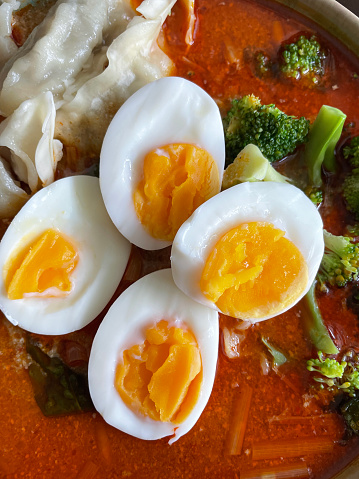
Eggs are a great source of high-quality protein and include choline, which is necessary for liver function. Choline aids the process of methylation, which is essential for liver detoxification.
Tumeric
Turmeric includes curcumin, a substance that has strong anti-inflammatory and antioxidant properties. Curcumin protects the liver from injury and may increase its regenerative potential.
RELATED; How Much Water Should You Drink Per Day?
Berries
Berries, particularly blueberries and cranberries, contain anthocyanins and polyphenols, which protect the liver against oxidative stress and inflammation.
These antioxidants promote liver health and minimize oxidative stress. Berries also enhance insulin sensitivity, which can help prevent or manage nonalcoholic fatty liver disease (NAFLD).
Compounds found in berries may prevent liver fibrosis, slowing the progression of chronic liver disease.
Allium Vegetables

Allium vegetables, including garlic and onions, contain sulfur compounds that aid liver detoxification. These veggies also increase the activity of liver enzymes, which help to eliminate toxins.
Healthy Fats (Avocado, Olive Oil)
Avocados and olive oil provide healthy fats that can reduce inflammation in the liver and increase insulin sensitivity. They contain vital fatty acids, which are necessary for liver health.
Cruciferous Vegetables
Cruciferous vegetables (e.g. broccoli, Brussels sprouts, cauliflower) contain glucosinolates that boost liver detoxification enzyme synthesis.
They also include fiber, vitamins, and minerals, which help the liver operate.
READ ALSO: Effective Ways to Build and Maintain a Healthy Eating Habits Despite a Busy Schedule
Coffee
Coffee includes antioxidants, including chlorogenic acid, which can lower liver inflammation and oxidative stress. Regular drinking is associated with lower liver enzyme levels, indicating less liver damage.
It lowers the risk of chronic liver illnesses like cirrhosis and liver cancer, and it may also protect against non-alcoholic fatty liver disease (NAFLD).
Coffee also aids in the liver’s detoxification process by increasing bile production, digestion, and fat metabolism.
Beets
Beets are high in betalains, which are powerful antioxidants with anti-inflammatory properties that help the liver detoxify.
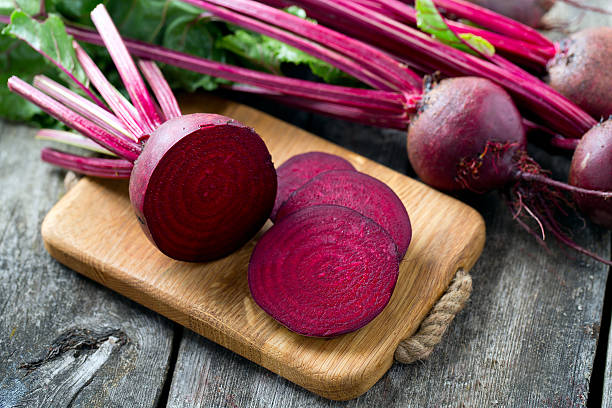
They provide essential nutrients including as folate, fiber, and iron, which are required for liver health. Betalains aid the liver’s phase two detoxification by making toxins water soluble for evacuation.
Furthermore, beets stimulate liver enzyme synthesis, which enhances detoxification and overall liver function.
Conclusion
Maintaining liver health is critical to overall well-being. Recognizing the signs and symptoms of liver damage early on can lead to faster intervention and better results.
Including liver-friendly items in your diet, such as oatmeal, eggs, turmeric, allium vegetables, healthy fats, cruciferous vegetables, coffee, beets, and berries, can dramatically improve liver health and regeneration.
A well-balanced diet, regular exercise, and avoidance of dangerous substances are all necessary measures toward a healthy liver and life.
READ MORE ARTICLES FROM HARRY’S STORES:
Healthy Habits to Prevent Obesity
Significance Of Preventive Health Screening Is For Lowered Risk of Complications
Navigating a Busy Lifestyle While Prioritizing Healthy Eating


