

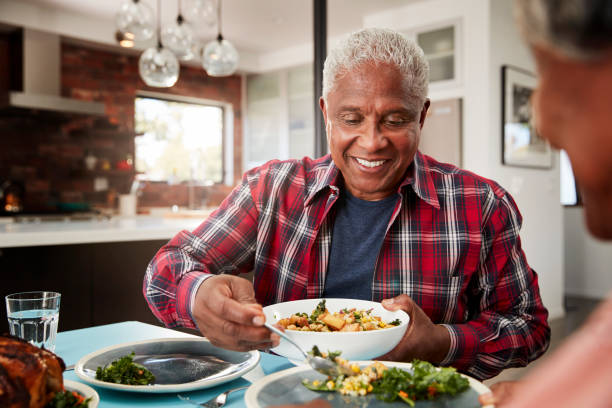
Food preparation is more than simply a daily task; it’s a vital ability that affects our general well-being, finances, and health. Many people choose to takeaway or convenience meals in today’s hectic world, frequently compromising freshness and nutrition in the name of expediency. But making the effort to carefully plan your meals may be gratifying and life-changing. The cleanliness, safety, nutritional value, and deliciousness of the food we eat are all enhanced by proper food preparation.
We can control portion proportions, prevent food waste, and even experiment with cultural dishes that broaden our palates thanks to it. Understanding the procedures of good food preparation is essential for making meals that nourish the body and foster community, regardless of whether you’re a novice learning the fundamentals or someone trying to hone their culinary skills.
Adequate Food Preparation Process
1. Meal Planning:

Start by deciding what meals you want to prepare for the week. Consider your schedule, dietary needs, and budget. Meal planning helps you avoid impulse purchases and ensures you have all necessary ingredients on hand. It also allows for a balanced diet, incorporating proteins, vegetables, grains, and fruits.
After planning your meals, create a shopping list based on the required ingredients. Stick to your list to minimize overspending and food waste. Opt for fresh, seasonal produce and read labels when buying packaged items to avoid high levels of sugar, salt, or unhealthy fats.
2. Prepping Ingredients:
Before cooking, wash all fruits, vegetables, and herbs thoroughly to remove dirt, pesticides, or bacteria. Organize your ingredients by type and store perishables properly, meat and dairy in the coldest parts of the fridge, and dry goods in airtight containers. This step includes cutting, chopping, marinating, or pre-measuring ingredients before actual cooking. Prepping not only saves time during cooking but also ensures everything is ready when needed, reducing stress and making the cooking process smoother.
3.Cooking:
Choose the right cooking method depending on the meal, boiling, grilling, sautéing, baking, or steaming. Boiling is a moist-heat cooking method where food is immersed in a liquid (usually water) that is heated to its boiling point. Grilling is a dry-heat method where food is cooked on a grill over a heat source, like coals or a gas flame. Sautéing is a dry-heat method that involves cooking food in a small amount of hot fat in a shallow pan, often with tossing or stirring.
Baking is a dry-heat method where food is cook in an oven, surrounded by hot air. Steaming is a moist-heat method where food is cook by exposing it to steam, often generated from boiling water. Use the right temperatures and avoid overcooking to retain nutrients and flavor. Always ensure meats are cook to safe internal temperatures to avoid foodborne illnesses.
4. Proper Storage:
Proper food storage involves maintaining the right conditions to keep food safe and of good quality, including appropriate temperature, cleanliness, and storage containers. This helps prevent spoilage, foodborne illnesses, and loss of nutrients and flavor. After meals are prepared, any leftovers should be store immediately to preserve freshness. Use airtight containers and label them with dates. Refrigerate or freeze items as necessary, and ensure your fridge is set to the appropriate temperature to keep food safe.
5. Kitchen Clean-Up:

Hygiene is an essential part of food preparation. Kitchen cleanup after meal preparations involves removing food scraps, washing dishes and utensils, wiping surfaces, and tidying up the cooking area to restore cleanliness and prevent the spread of bacteria and foodborne illnesses.
This process helps ensure a hygienic environment and promotes food safety. Clean as you go to maintain a tidy workspace. Sanitize cutting boards and utensils, especially after handling raw meat. Dispose of food scraps responsibly and wash your hands frequently to prevent contamination.
Conclusion:
Adequate food preparation goes beyond simply putting ingredients together it is a thoughtful process that contributes significantly to our health, safety, and overall lifestyle. From planning and shopping to cooking and storage, each step plays a vital role in delivering meals that are both nourishing and satisfying.
When done right, food preparation can save time, reduce stress, enhance flavors, and promote healthy eating habits. More importantly, it brings people together, creating opportunities to bond over home-cooked meals and shared experiences. By mastering food preparation, you’re not just cooking you’re investing in a better, healthier, and more sustainable way of living. So, whether you’re prepping for one or a family of five, take the time to plan, prepare, and enjoy every bite.
READ MORE ARTICLES FROM HARRISSTORES:
Understanding and Managing Gastroesophageal Reflux Disease (GERD)
Eight Approaches to Prevent Breast Cancer Based on Recent Research.
A Guide to Balanced Nutrition Through Dietary Management
The Most Neglected Aspect of Men’s Health
Understanding The Causes and Management of Epilepsy Disorders.


